
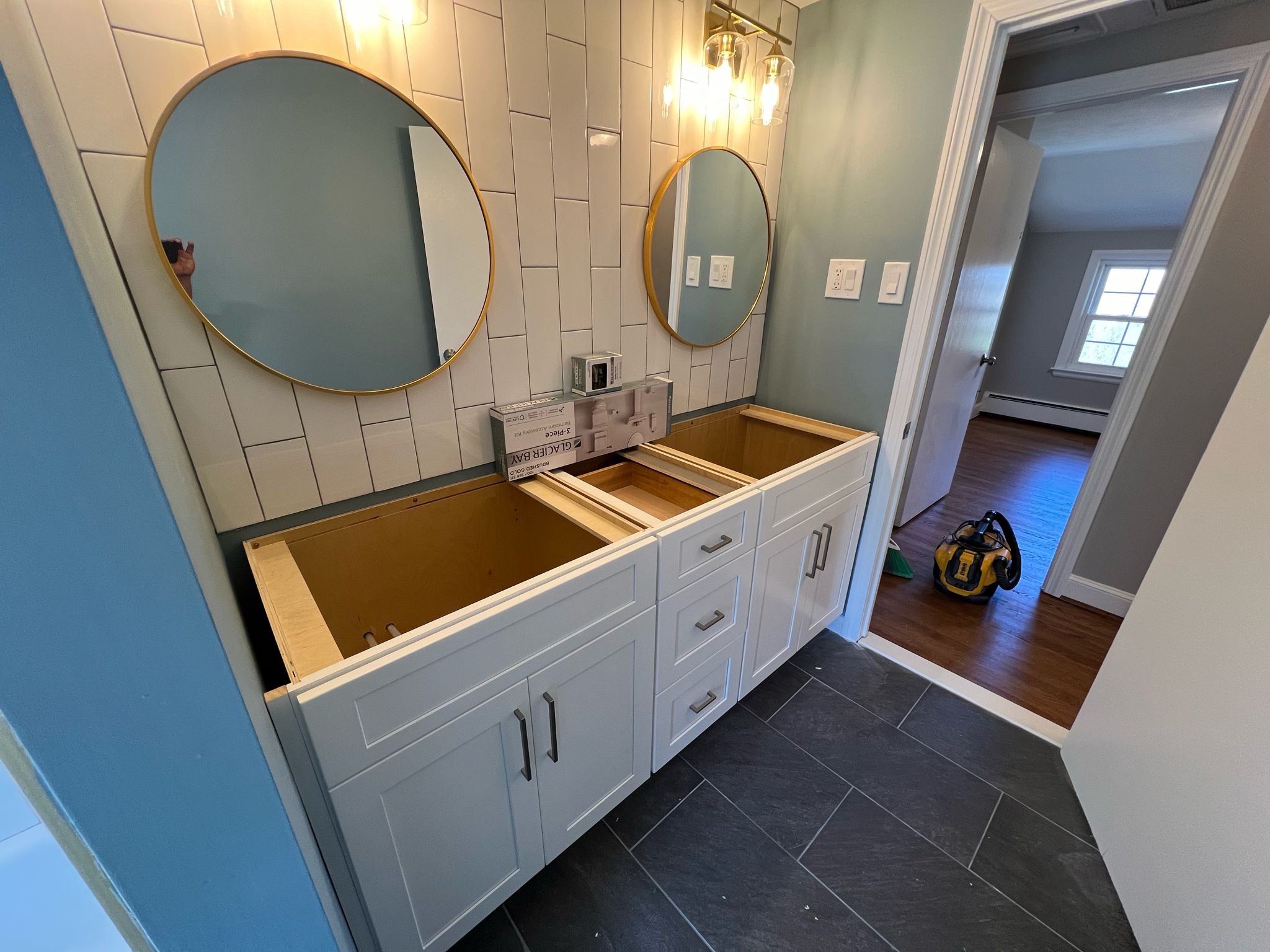
A bathroom remodel is one of the most valuable upgrades you can do in New England homes—especially in Hartford, Connecticut and many Massachusetts communities where older bathrooms often have outdated layouts, insufficient ventilation, and water-damage risks hidden behind walls. This guide breaks down what matters most: planning, durability, waterproofing, comfort, and the local realities of permits and inspections.
Why Bathroom Remodeling Is Different From Other Rooms
Bathrooms combine multiple high-risk systems in one small space:
-
Plumbing supply and drainage
-
Moisture exposure every day
-
Electrical near water
-
Ventilation demands
-
Slip resistance and safety
A beautiful bathroom that’s built poorly won’t stay beautiful for long. The best remodels focus on water management and proper installation methods first—then finishes.
Planning the Remodel: Start With the “Non-Negotiables”
Before choosing tile and colors, decide what must improve:
-
Is the shower too small?
-
Is storage missing?
-
Is ventilation weak?
-
Do you need a tub/shower combo for family use?
-
Are you planning aging-in-place features (grab bars, curbless shower, comfort height toilet)?
For Hartford and Massachusetts homeowners, another key factor is winter humidity and condensation. A properly sized fan and correct ducting reduce mold risks and protect paint and drywall.
Layout Choices That Make Bathrooms Feel Bigger
Even without adding square footage, you can often improve function by:
-
Installing a vanity that fits the wall without crowding the door swing
-
Using a shower niche instead of corner shelves
-
Choosing sliding shower doors (or a clean glass panel)
-
Using larger-format tile to reduce visual clutter
-
Creating “vertical storage” with recessed cabinets
If you’re considering moving plumbing fixtures, plan early—this is one of the most common reasons bathroom costs increase, but it can be worth it if it fixes a bad layout.
Waterproofing: The #1 Upgrade You Don’t See (But You’ll Be Glad You Paid For)
A durable bathroom depends on correct waterproofing behind tile:
-
Proper shower pan/liner system
-
Waterproof wall assemblies in wet zones
-
Sealed penetrations around valves and plumbing
-
Correct slope to drain
-
Quality caulking at transitions
If you want a “luxury” bathroom, it’s not just marble-look tile—it’s the confidence that nothing is rotting behind the wall.
Comfort Upgrades That Feel Luxury (Without Being Excessive)
Here are upgrades that make bathrooms feel premium in Hartford CT and Massachusetts homes:
-
Heated floors (especially nice during winter)
-
Warm, layered lighting (vanity + shower + ambient)
-
Quiet, high-quality exhaust fan
-
Glass shower enclosure with minimal hardware
-
Built-in niches and benches
-
Soft-close drawers and organizers
Luxury is often “how it works,” not just how it looks.
Permit and Inspection Considerations (CT + MA)
Homeowners commonly ask whether permits are required. In Connecticut, permits are typically associated with structural changes, electrical work, plumbing alterations, and major renovations. Bathrooms often fall into that category when systems are modified.
Some town guidance also distinguishes finish work versus system changes (which is why your exact scope matters).
Massachusetts publishes consumer-facing information about home improvement and also references permit expectations for certain work, with specifics varying by city/town.
Practical homeowner tip: If your bathroom remodel includes relocating plumbing, new circuits, moving walls, or adding ventilation where none existed, assume permits may be needed and confirm with the local building department early.
Hiring the Right Remodeler: Trust Signals That Matter Locally
People searching locally in Google want to feel safe hiring you. Mentioning consumer-protection alignment helps.
-
Connecticut’s DCP provides information and requirements around home improvement contracting and registration.
-
Massachusetts has an HIC program that registers contractors and supports consumer protections.
When homeowners compare options, they look for:
-
Clear written scope
-
A realistic timeline
-
Product transparency (fixtures, tile, waterproofing approach)
-
Clean jobsite process (dust control, daily cleanup)
-
Warranty clarity
Typical Bathroom Remodel Timeline (What Homeowners Should Expect)
While every job is different, a well-managed bathroom remodel often includes:
-
Design, selection, and measurements
-
Demo and inspection of underlying conditions
-
Rough plumbing/electrical (if needed)
-
Waterproofing and prep
-
Tile and flooring
-
Vanity, fixtures, and trim
-
Final sealing, punch list, and cleanup
Older Hartford and Massachusetts homes sometimes reveal surprises (hidden leaks, subfloor issues). A professional plan accounts for that possibility.
Do I need a permit for a bathroom remodel?
Often yes if you’re changing plumbing, electrical, or structure. Rules vary by town, so confirm early.
What’s the best shower option for low maintenance?
A properly waterproofed tile shower with quality grout/sealant choices—or a premium panel system—both can be low maintenance when installed correctly.
Can you remodel for accessibility?
Yes—curbless showers, grab bar blocking, wider clearances, and comfort-height fixtures are common upgrades.
Closing Thought
Bathroom remodeling is one of the best ways to add comfort and value—especially when the work is built around waterproofing, safety, and clean finishing.